
Curated recommendations
How to Build Your First Commander Deck: A Complete Bello Example
Build a coherent first Commander deck with a 100-card role framework, demonstrated through the verified Animated Army list led by Bello.
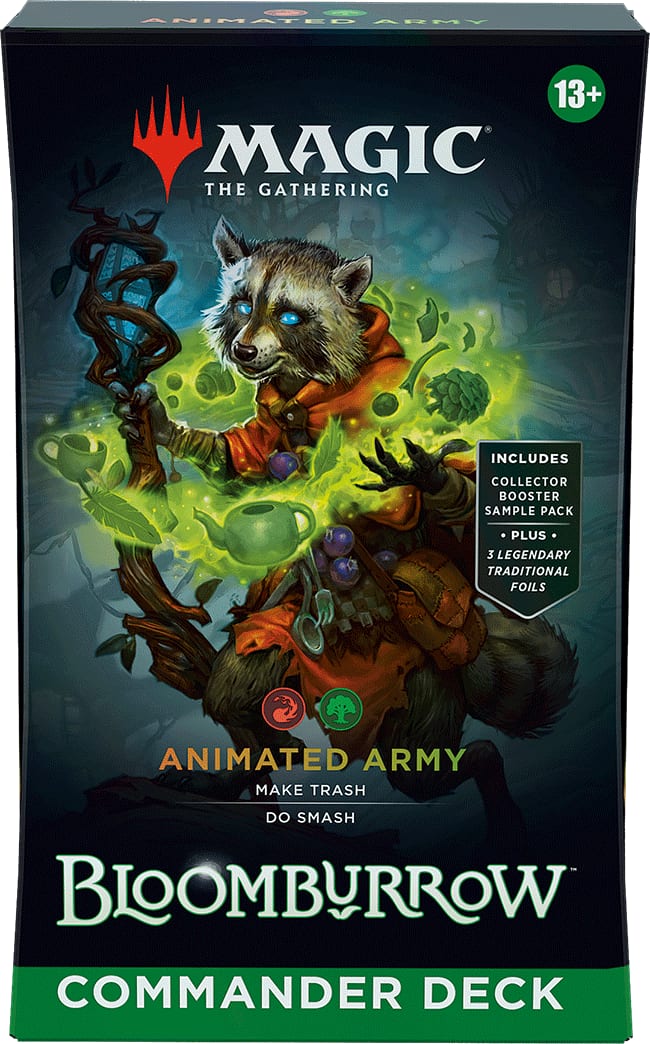
Choose the deck’s job before choosing its noncommander cards. A useful first Commander deck answers one question in a sentence: what will this deck do repeatedly before it wins? Then its remaining library cards (99 with one commander or 98 with a legal pair) provide lands, mana, card flow, interaction, and enough plan pieces to make that sentence happen.
This guide applies the framework to Animated Army, the official red-green Bloomburrow Commander deck led by Bello, Bard of the Brambles. Wizards’ complete decklist (opens in a new tab) expands to exactly 100 cards. Rather than pretending a made-up shell is complete, the worked example counts that real list, assigns every slot one primary role, identifies all 19 commander targets, and follows one legal opening sequence.
Step 1: turn the commander into one sentence
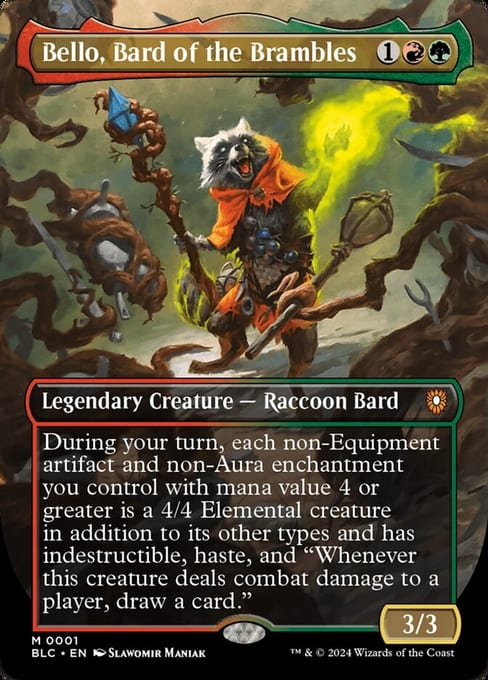
Bello, Bard of the Brambles costs . During your turn, every non-Equipment artifact and non-Aura enchantment you control with mana value 4 or greater is also a 4/4 Elemental creature with indestructible, haste, and a trigger that draws a card when it deals combat damage to a player.
That text produces the completed plan sentence:
Cast mana-value-four-or-greater artifacts and enchantments, let Bello turn them into hasty 4/4 attackers, draw when they connect, then finish by multiplying combat damage or attacking with several animated permanents.
“Artifacts and enchantments” is only a theme. The mana-value threshold, exclusions, attack timing, and combat-damage draw are the actual plan. Equipment and Auras do not qualify. A three-mana artifact does not qualify. An eligible permanent is animated only during its controller’s turn.
The commander’s red-green color identity permits red, green, colorless, and land cards whose color identity stays within those colors. Color identity includes mana symbols in rules text, color indicators, and characteristic-defining abilities, not only the symbols in the upper-right cost. With two commanders, use their combined identities. One commander leaves 99 cards for the library; a legal paired-commanders deck leaves 98.
Step 2: count the real 100-card shell
The official list has 84 distinct entries because its basic lands appear in multiples. Expanding those quantities yields this disjoint primary-role inventory:
| Primary role | Cards | What was counted there |
|---|---|---|
| Commander | 1 | Bello |
| Lands | 38 | 18 basics and 20 nonbasics |
| Mana development and reducers | 21 | Permanent sources, land ramp, temporary mana, and one reducer |
| Card flow and selection | 11 | Draw, play-from-library effects, and selection |
| Interaction | 7 | Targeted answers and creature sweepers |
| Plan, payoff, protection, and finish | 22 | Remaining cards that create or multiply the deck’s attack plan |
| Total | 100 | Every physical card counted once |
Several cards perform more than one job. The primary-role rule keeps the total honest. A mana artifact that Bello can animate remains in the mana category if producing mana is its first job. An enchantment that draws cards remains in card flow even though it can attack. Overlap is strength; it is not permission to count one card three times.
The curve across all 62 nonlands, including Bello, is:
| Mana-value band | Cards |
|---|---|
| 1-3 | 26 |
| 4-5 | 25 |
| 6+ | 11 |
Eleven cards at 6 or more is a real top end. That explains the 38 lands and unusually deep mana-development category. It also warns a new pilot not to keep a speculative two-land hand just because the deck contains many rocks.
Step 3: verify the commander’s complete target inventory
Animated Army contains exactly 19 artifacts or enchantments that meet Bello’s mana-value threshold: seven at 4, six at 5, four at 6, and two at 7. These are the engine’s complete stock target set, not a handful of generic examples.
The seven four-mana targets
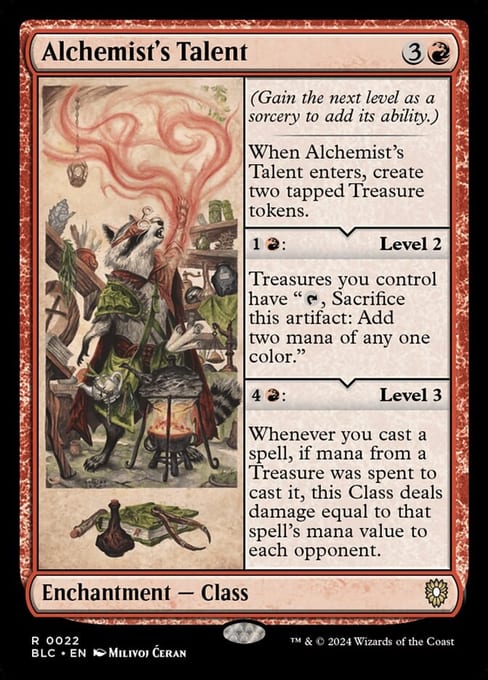
Alchemist's Talent creates Treasure and can turn Treasure-funded spells into damage. 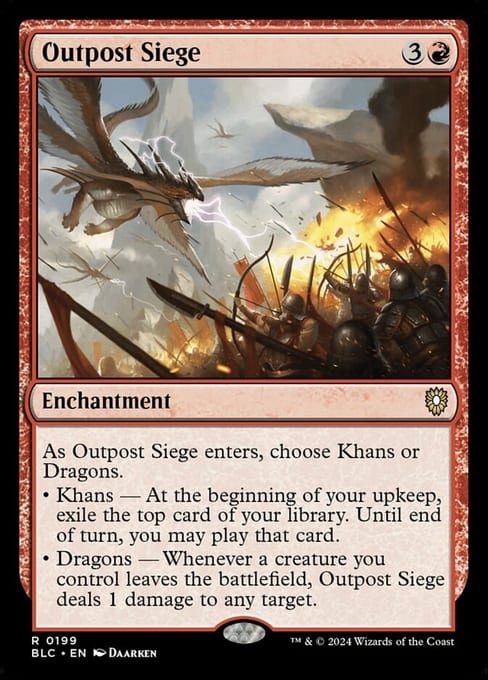
Outpost Siege supplies a choice between card access and damage when creatures leave. 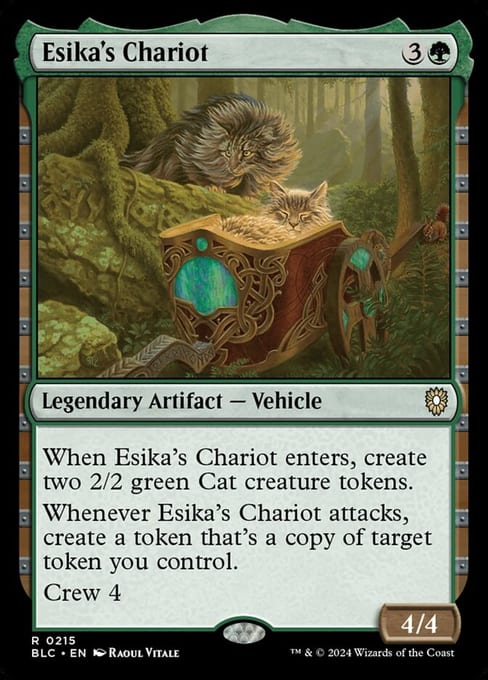
Esika's Chariot creates Cats and can copy a token when it attacks. 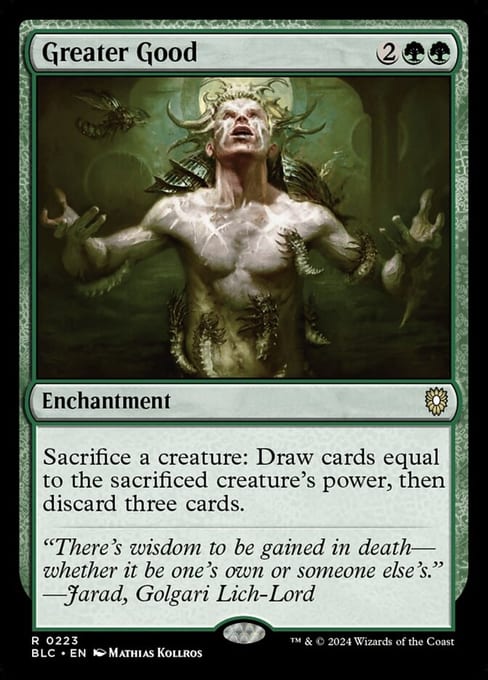
Greater Good turns a creature's power into draw followed by three discards.
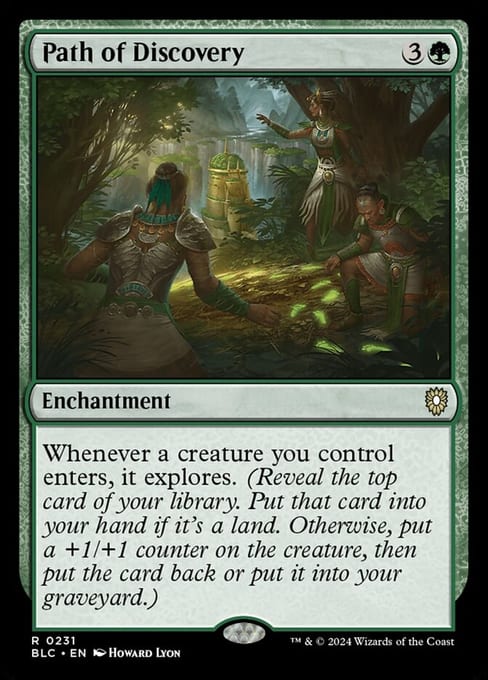
Path of Discovery lets creatures explore as they enter. 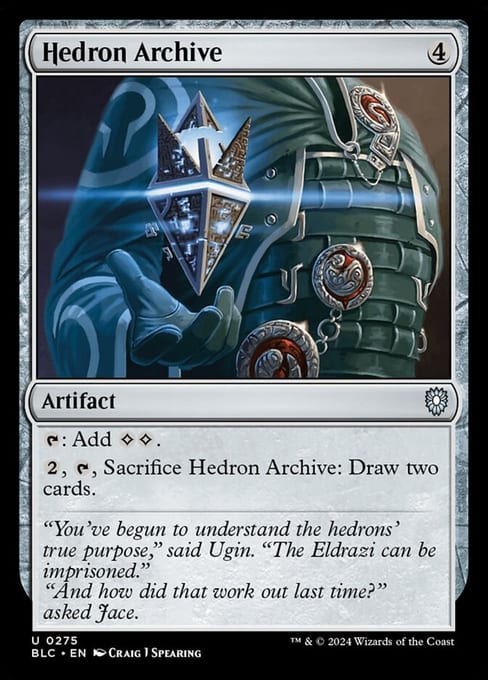
Hedron Archive produces two colorless mana or can be sacrificed to draw two. 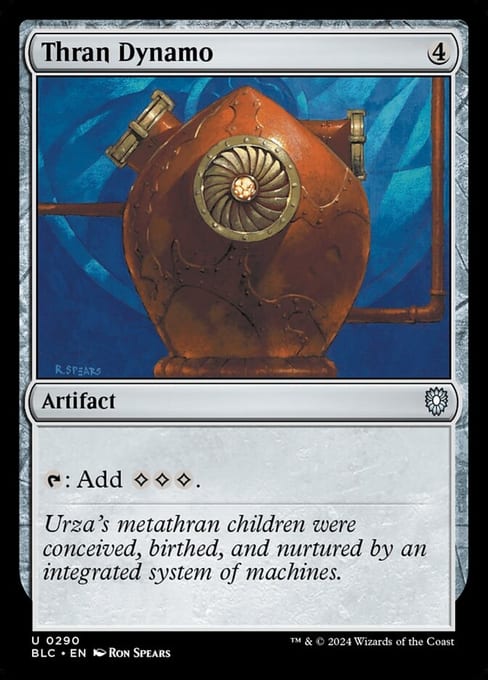
Thran Dynamo produces three colorless mana.
The six five-mana targets
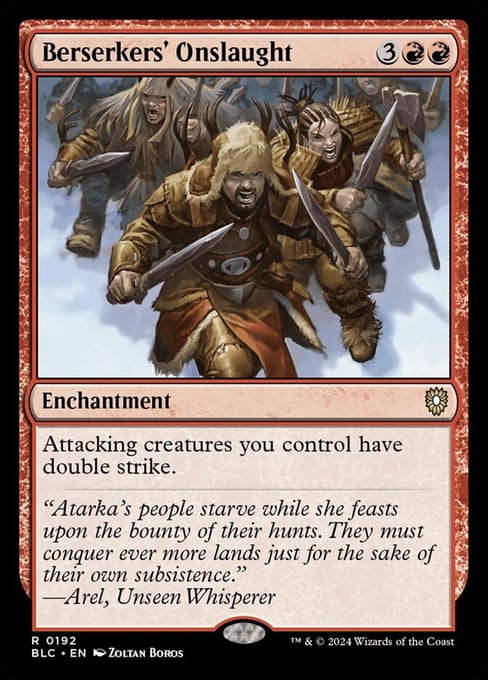
Berserkers' Onslaught gives attacking creatures double strike. 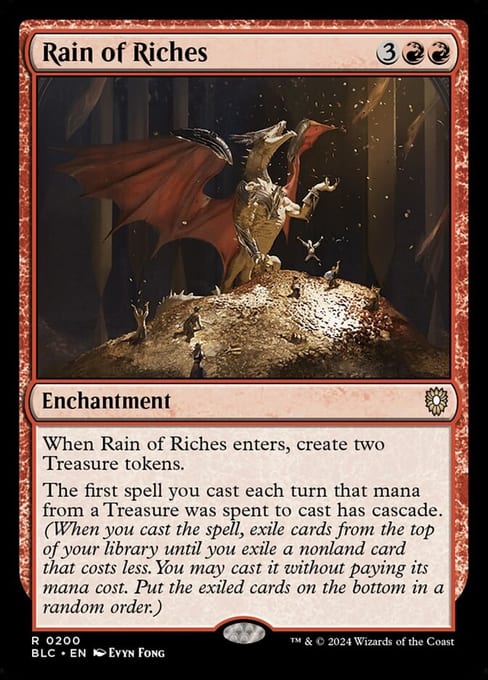
Rain of Riches creates Treasure and grants one Treasure-funded cascade each turn. 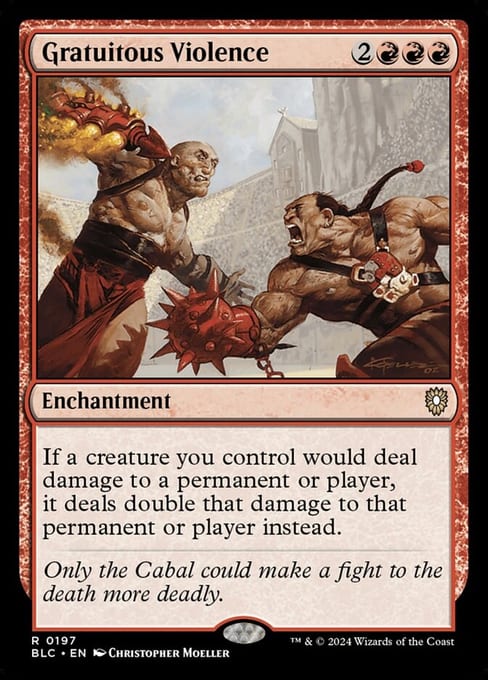
Gratuitous Violence doubles damage dealt by creatures you control. 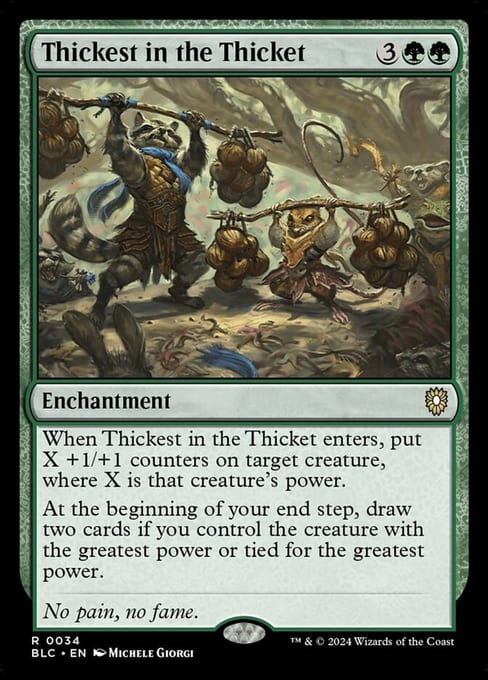
Thickest in the Thicket adds counters and can draw two at the end step.
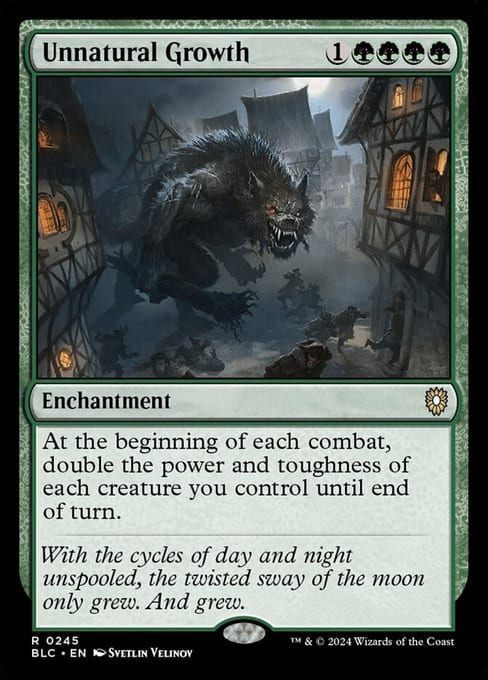
Unnatural Growth doubles your creatures' power and toughness during each combat. 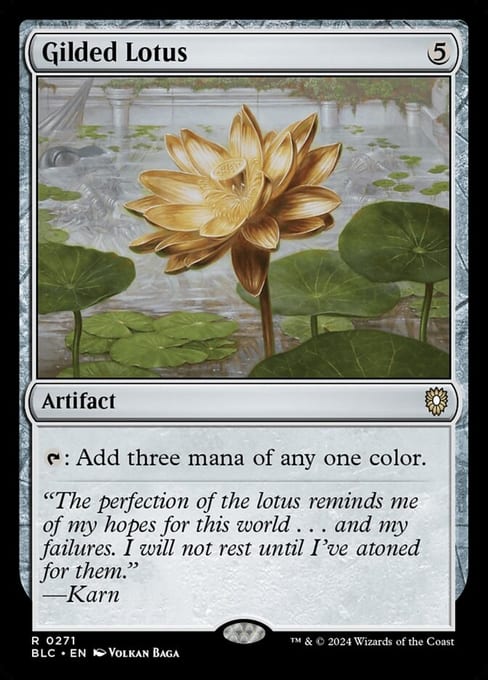
Gilded Lotus produces three mana of one color after it resolves.
The six targets at six or seven mana
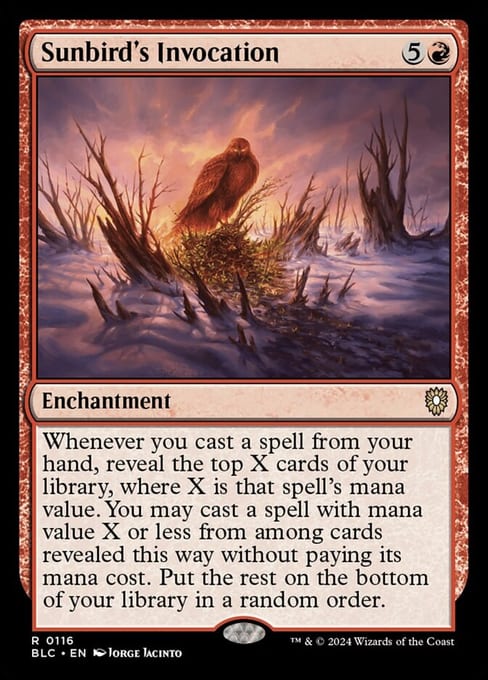
Sunbird's Invocation turns spells cast from hand into another possible cast. 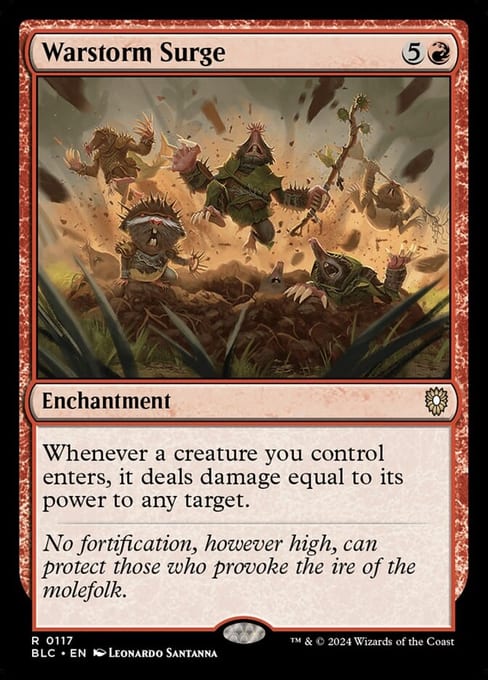
Warstorm Surge lets entering creatures deal damage equal to their power. 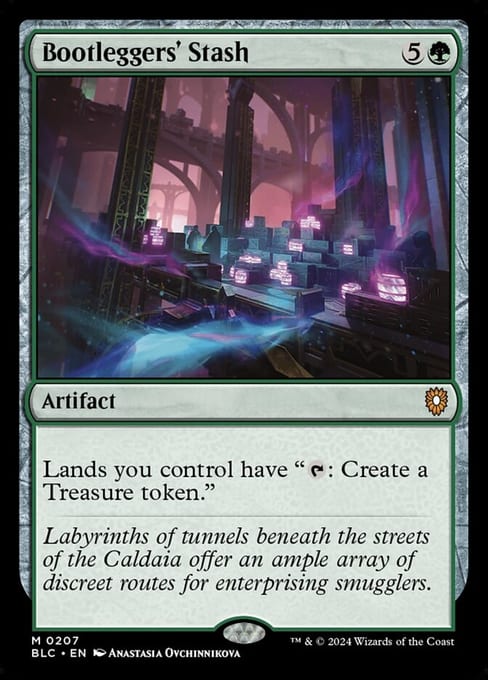
Bootleggers' Stash lets lands create Treasure. 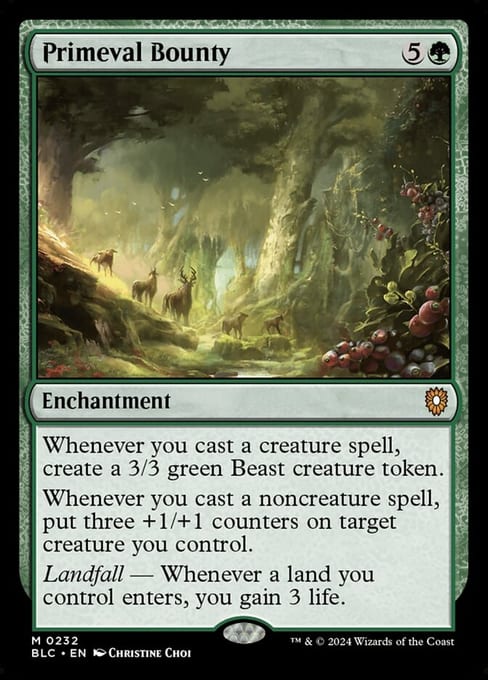
Primeval Bounty rewards creature spells, noncreature spells, and landfall differently.
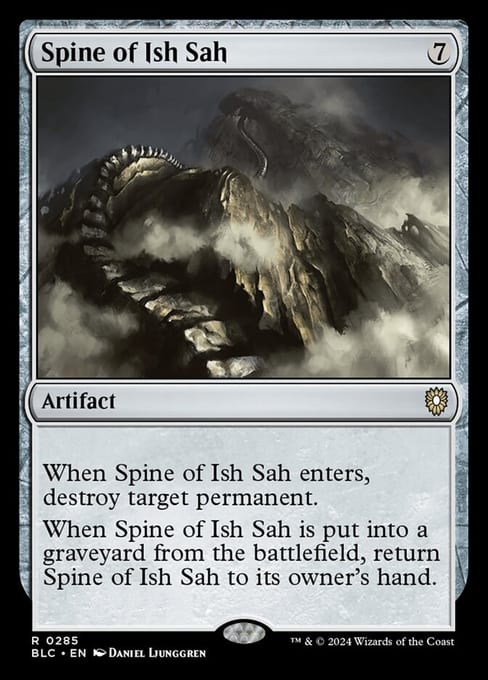
Spine of Ish Sah destroys a permanent when it enters and can return from the graveyard. 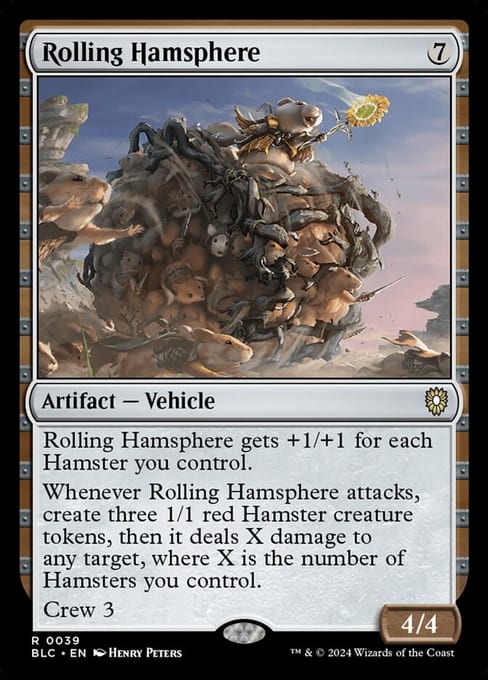
Rolling Hamsphere creates Hamsters and deals damage when it attacks.
Bello supplies haste, so a qualifying permanent cast during the main phase can attack that turn. Bello also supplies indestructible only during your turn. That protects the animated attacker from ordinary destruction in combat, but it does not protect Bello, stop exile, or make the permanent indestructible during an opponent’s turn.
Step 4: make the mana serve the threshold
The first-draft worksheet suggests about ten ramp cards, but Animated Army assigns 21 slots to mana development and reducers. That is not automatically excessive. The list has 25 cards in the four-to-five band, 11 at six or more, and a commander that specifically wants substantial permanents.
The low-cost foundation includes artifacts and land ramp that work before the target permanents arrive.
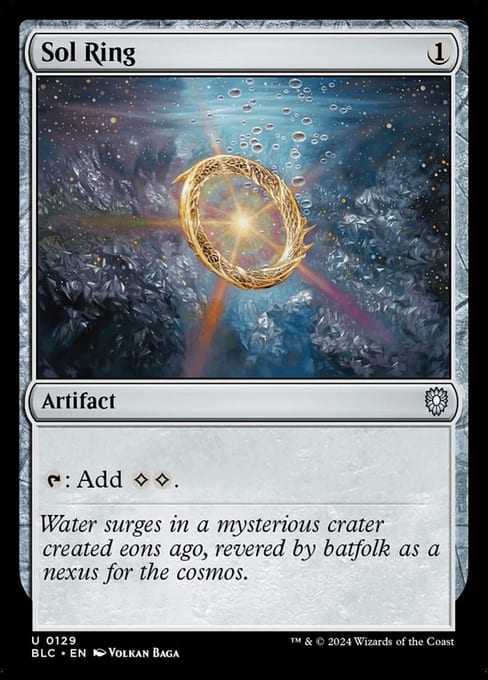
Sol Ring supplies colorless acceleration but cannot supply Bello's red or green symbol. 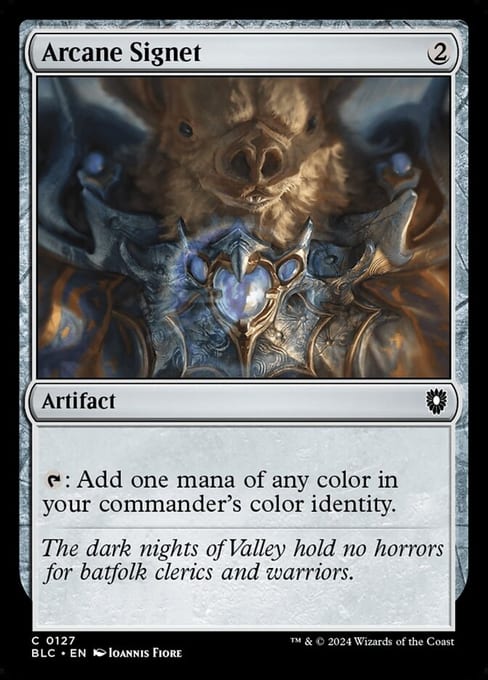
Arcane Signet supplies red or green in Bello's identity. 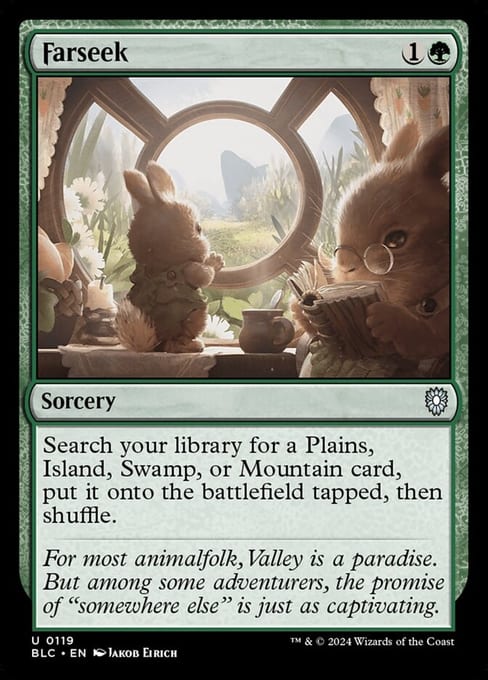
Farseek finds a Plains, Island, Swamp, or Mountain card and puts it in tapped. 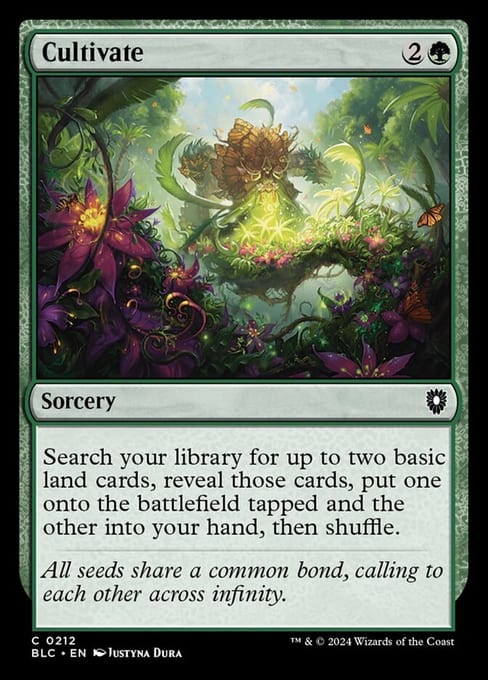
Cultivate puts one basic land onto the battlefield tapped and another into hand.
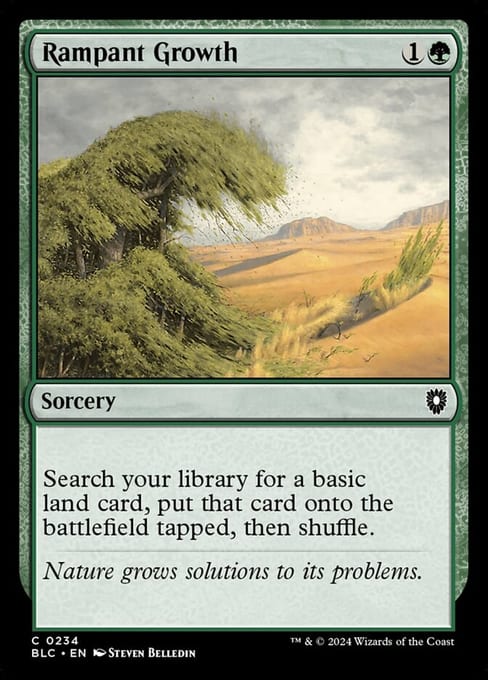
Rampant Growth finds one basic land and puts it onto the battlefield tapped. 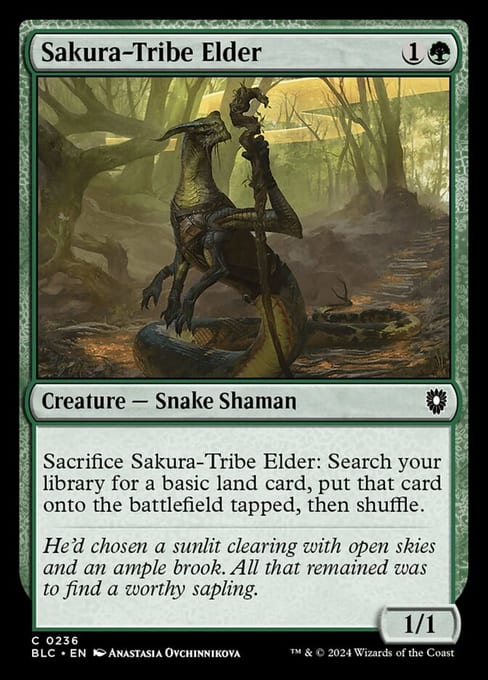
Sakura-Tribe Elder sacrifices to find one tapped basic land.
The three qualifying mana artifacts shown in the target inventory serve twice: they produce mana after resolving and become 4/4 attackers during your turn while Bello is present. Their printed mana values remain 4 or 5 even if a reducer changes the amount paid. A reducer is not a mana source and cannot pay an activated ability, so it stays separately labeled within the 21-card category.
The practical result is 38 lands plus 21 mana-development cards, not a recommendation to copy 59 mana-related slots into every first deck. Many of the 21 overlap with draw, attackers, or the commander’s threshold. Keep 38 for the first games; change the count only after recording missed land drops or excess lands.
Step 5: separate card advantage from selection
The stock primary-role audit assigns 11 cards to card flow and selection. Those labels are not interchangeable:
- Card advantage increases usable cards in hand or grants additional cards that can be played or cast.
- Selection changes which card is available without necessarily increasing card count.
- Recursion recovers a spent card and should be labeled by what it can actually return.
The target inventory already shows several engines. Two more stock examples make the distinction clear.
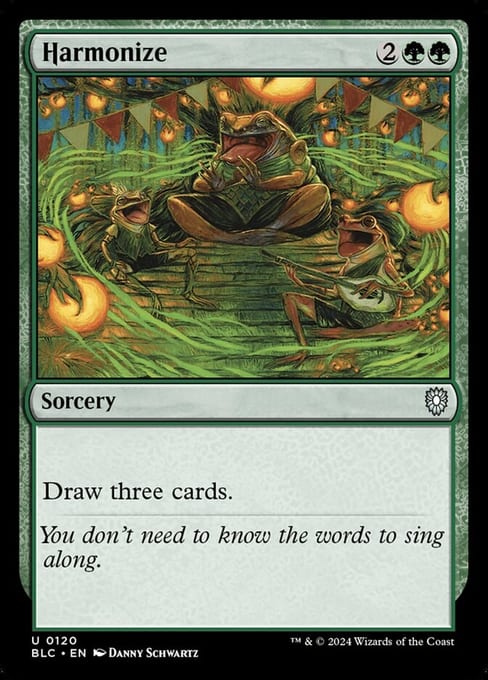
Harmonize draws three cards once for four mana. 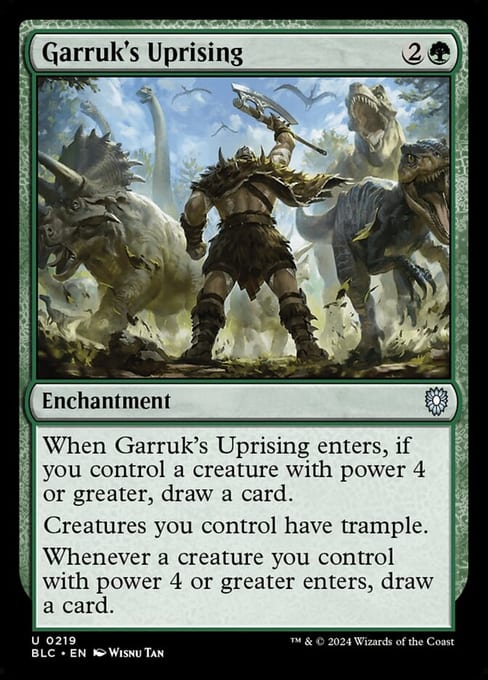
Garruk's Uprising can draw on entry, grants trample, and draws from later power-four creatures.
Bello itself is card flow only when an animated permanent connects with a player. Four eligible attackers do not guarantee four cards: blockers, removal, prevention, and failed attacks matter. Count cards actually drawn after games rather than counting every possible trigger during deck construction.
Step 6: confirm interaction by coverage
The seven-card primary interaction inventory covers broad permanents, artifacts, creatures, and creature-heavy boards. Each effect still has a specific limitation.
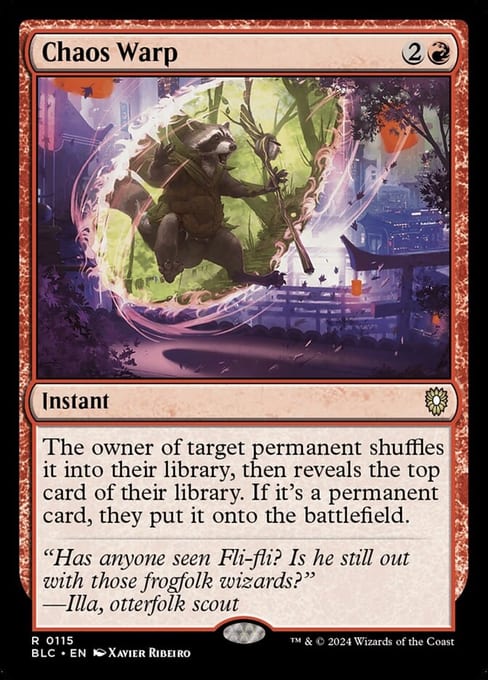
Chaos Warp shuffles one permanent away, then may give its owner another permanent. 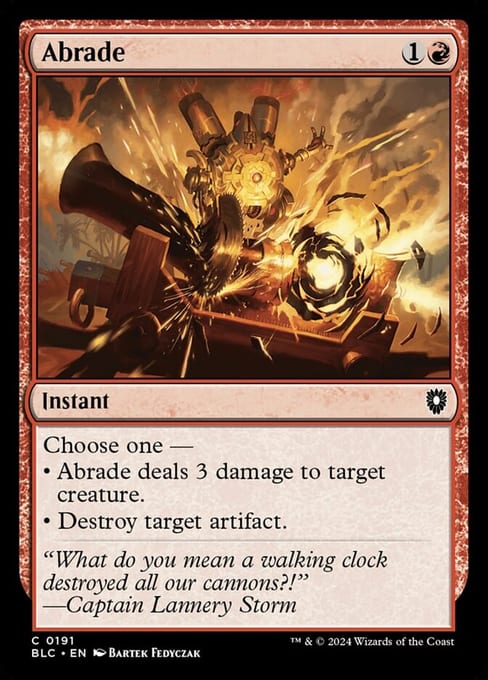
Abrade handles a small creature or an artifact, not an enchantment. 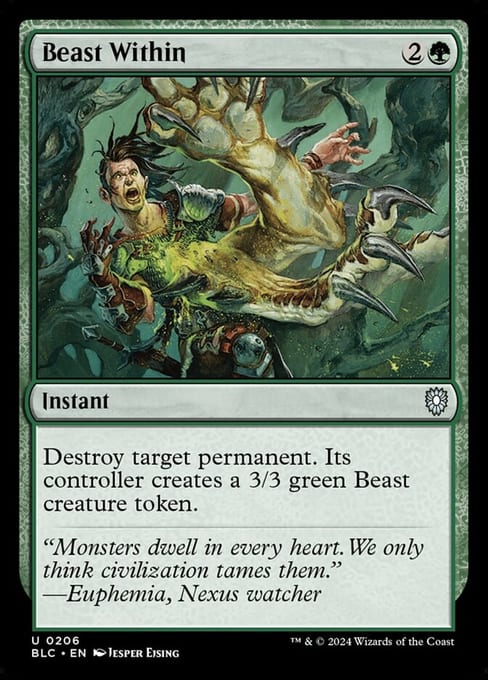
Beast Within destroys any permanent and gives its controller a 3/3 Beast.
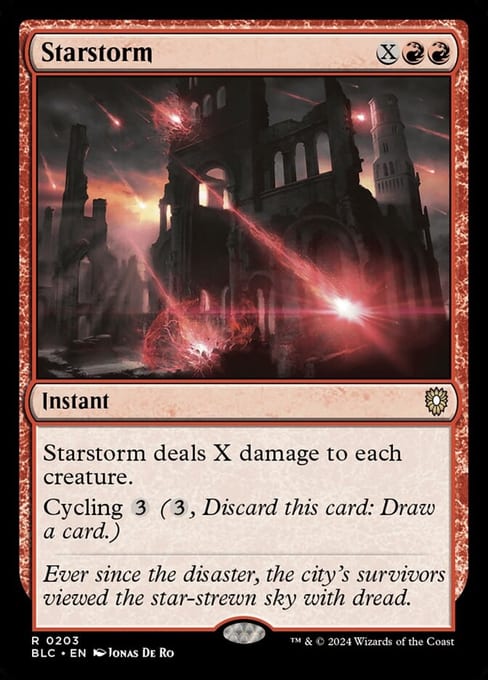
Starstorm deals X damage to each creature and can cycle when a sweep is unnecessary. 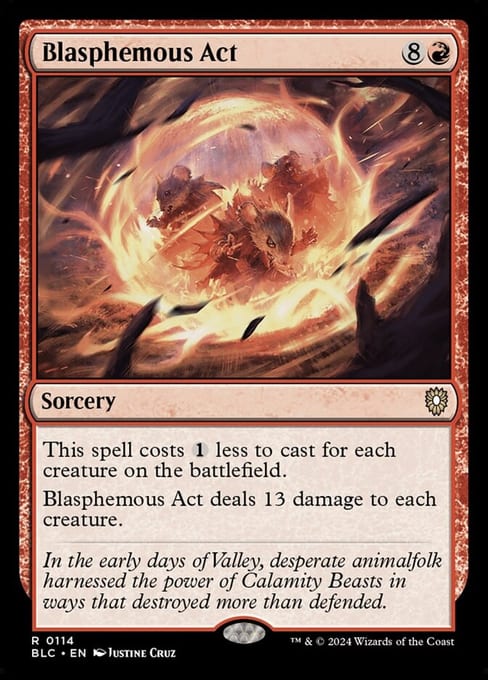
Blasphemous Act deals 13 to each creature and becomes cheaper as the board fills. 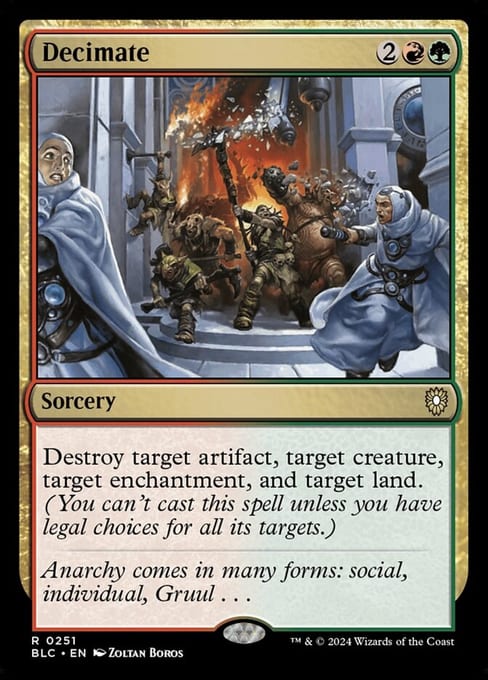
Decimate needs legal artifact, creature, enchantment, and land targets before it can be cast.
The seventh interaction card, Spine of Ish Sah, is already in the seven-mana target gallery. That overlap is valuable: it answers a permanent, becomes a Bello attacker on your turn, and returns to hand if it goes from the battlefield to the graveyard. It is still a seven-mana answer, so the cheaper six remain necessary.
Step 7: prove one legal opening line
A worked line exposes whether the plan is only words. This one uses only verified stock cards and assumes the listed cards are in hand:
- Turn one: play a Forest and cast Sol Ring.
- Turn two: play a Mountain; spend green, red, and one colorless to cast Bello.
- Turn three: play a third land. The three lands plus Sol Ring provide at least four mana, enough to cast Outpost Siege.
- During that turn, Bello makes the Siege a 4/4 Elemental creature with haste and indestructible.
- Attack with the animated Siege. If it deals combat damage to a player, Bello’s granted trigger draws one card.
The draw is conditional on connecting. The line also reveals why colored lands remain essential: Sol Ring supplies the generic mana but cannot produce either colored symbol in Bello’s cost.
With Berserkers’ Onslaught already on the battlefield, an animated permanent with double strike can deal combat damage in both combat-damage steps and trigger the granted draw ability each time it connects. With Gratuitous Violence or Unnatural Growth, the same 4/4 attackers become a faster clock. Those are real ways the stock list converts its engine into a finish.
The completed first-deck decision
For a new pilot starting with this subject, the finished first draft is the official 100 unchanged:
| Decision | Completed value |
|---|---|
| Commander | Bello, Bard of the Brambles |
| Color identity | Red-green |
| Plan | Animate qualifying artifacts and enchantments, attack, draw, and multiply combat damage |
| Cards | 100 |
| Lands | 38 |
| Mana development/reducers | 21 |
| Card flow/selection | 11 |
| Interaction | 7 |
| Plan/payoff/protection/finish | 22 |
| Nonland curve | 26 at 1-3 / 25 at 4-5 / 11 at 6+ |
| Qualifying Bello targets | 19: 7 at MV4 / 6 at MV5 / 4 at MV6 / 2 at MV7 |
| First revision | None before five recorded games |
That last line matters. Building a first deck does not require replacing cards before learning how its actual engine, mana, and interaction feel. For each of five games, record missed land drops, when Bello was first cast, qualifying permanents cast, successful combat-damage draw triggers, interaction stranded without a target, and six-plus-mana cards left in hand.
Reusable first-deck worksheet
Commander or commander pair:
Color identity:
Library slots after commander(s):
One-sentence plan:
Primary finish:
Backup finish:

Commander:
Lands:
Mana development and reducers:
Card advantage:
Selection:
Interaction by target type:
Plan/payoff/protection/finish:
TOTAL (must equal 100):

Nonlands at MV 1-3 / 4-5 / 6+:
Exact commander targets:
Earliest legal engine sequence:
Cards useful only while ahead:
Games before first revision:
Observed missing resource:
One proposed change:
Animated Army works as a first-deck model because every number connects to Bello’s text. Its 19 targets justify the theme, its 21 mana-development slots support a high curve, and its seven interaction cards prevent the engine from being the only thing the deck can do. Reuse that method, not those red-green counts, for a different commander.
For land-count arithmetic, continue with How Many Lands Should a Commander Deck Have?. For a post-game ten-card revision, use How to Upgrade a Commander Precon.