
Set & card guides
Magic: The Gathering Booster Types Explained
A practical guide to Magic: The Gathering Play, Collector, Beyond, Value, Draft, and Set Boosters, and the job each one is built to do.
A booster pack is not a generic unit of Magic anymore. One pack may be made for a draft table, another for a concentrated treatment hunt, and another for a small crossover release that was never intended for Limited play. The right question at a store shelf is not “which pack is best?” It is “what do I want this pack to do?”
Start with the release. Wizards changes slot counts, product names, and treatment distribution from set to set. The official product guide (opens in a new tab) gives the broad product roles, while each set’s collecting article supplies the details that matter for a specific purchase.
Play Boosters are the current Limited pack
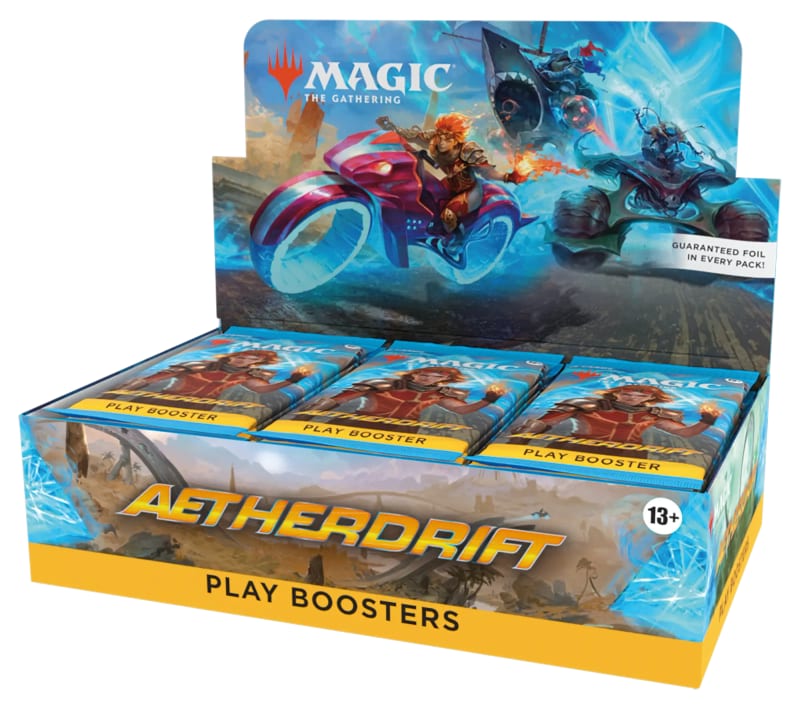
Aetherdrift Play Booster Display
A current Play Booster display. The packs in the tray are the Limited product for this release.
Play Boosters combine the role that Draft Boosters and Set Boosters once split. They are the normal booster for a current draftable premier release that offers them, and their card mix is built to support Draft and Sealed while leaving room for extra rare or treatment outcomes.
Wizards’ explanation of Play Boosters (opens in a new tab) describes the change from the two-booster system. It does not make every current release draftable, and it does not make Play Boosters retroactively correct for older sets. Check the product page for the release in front of you.
What is in a Play Booster?
Use Aetherdrift as an example, not as a permanent template. Its collecting guide (opens in a new tab) describes 14 Magic cards plus an art card or token, with no ad cards. The pack has a land slot, common and uncommon cards, a rare or mythic rare slot, a wildcard slot that can upgrade to another rarity, and a traditional foil slot. Exact arrangements can change.
That structure serves two audiences at once. The commons and uncommons provide the pool a Limited event needs, while the wildcard and foil slots add variation to an individual opening. A showcase card can appear in a Play Booster when the release puts it there. The pack’s name does not guarantee a particular treatment.
For Draft or Sealed, use the booster type specified by the chosen release. For a current draftable set with Play Boosters, that usually means Play Boosters. For an older set, use the product that was engineered for that set’s Limited environment.
Collector Boosters concentrate treatments
Collector Boosters are not for Draft or Sealed. They gather a higher concentration of foils, alternate frames, and other special treatments in a pack designed for opening and collecting. That makes them the relevant product only when the release’s collecting guide puts the treatment you want there.
Do not assume a universal card count. Some releases use 15-card Collector Boosters; smaller releases such as Assassin’s Creed use 10. The Assassin’s Creed collecting guide (opens in a new tab) is the useful reference for that product’s contents, not a template for every Collector Booster.
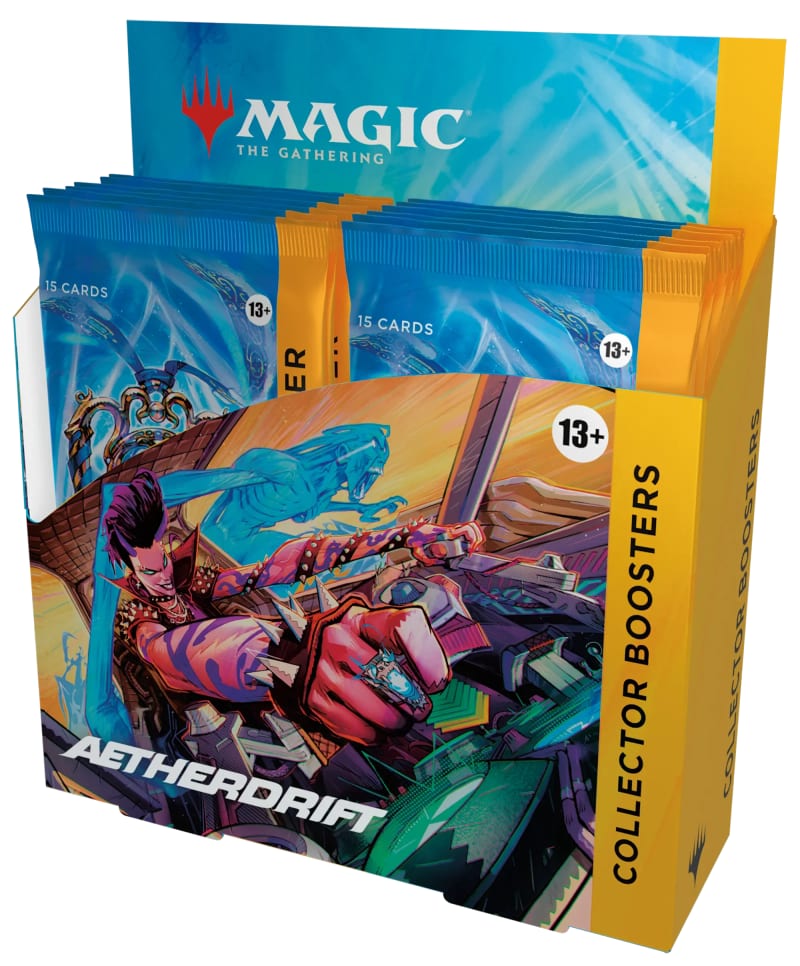
Aetherdrift Collector Booster DisplayOfficial product image via Wizards of the Coast (opens in a new tab) 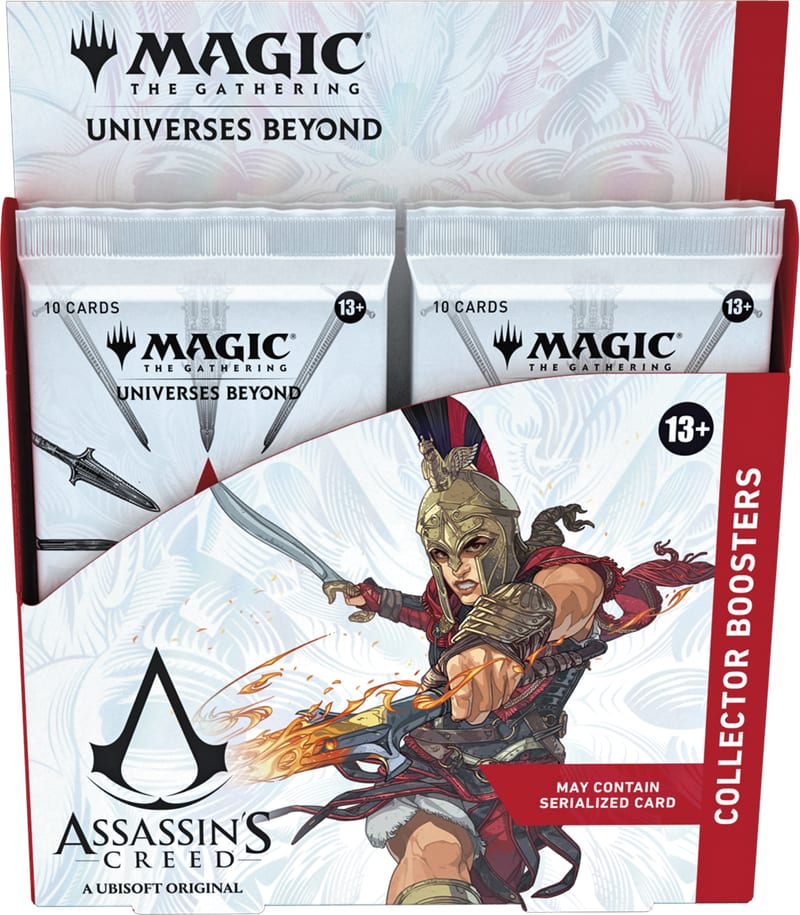
Assassin's Creed Collector Booster DisplayOfficial product image via Wizards of the Coast (opens in a new tab)
A showcase or retro-frame card is still an outcome, not a guarantee, merely because the release has that treatment. A set can put showcase cards in Play Boosters, Collector Boosters, or both. Slot odds, finishes, serialized cards, and exclusive versions all belong to the release-specific collecting guide.
Choose a Collector Booster when you want the opening experience and treatment mix it documents. If you need one particular card, search for that card directly instead of treating a randomized pack as a substitute.
Value Boosters are small, release-specific packs
Value Boosters are simplified packs used for selected releases and retail environments. They contain fewer cards and have their own rarity and upgrade structure. They are not the Limited product for a set, and their contents should never be inferred from Play or Collector Boosters.
They make sense when the smaller, casual pack-opening format is the point. If a rare, mythic rare, or treatment matters to you, read the release’s product details first. The word “Value” describes the product line, not a promise about the contents or a financial result.
Beyond Boosters belong to selected Universes Beyond releases
Universes Beyond releases do not all use the same product family. A full draftable set can use the ordinary booster products of its era. The Lord of the Rings: Tales of Middle-earth, for example, predates Play Boosters and used Draft, Set, and Collector Boosters, as its official collecting guide (opens in a new tab) documents.
A smaller crossover release that is not designed for Limited may instead use Beyond Boosters. Assassin’s Creed Beyond Boosters contain seven cards, including three uncommons and one rare-or-mythic-rare slot. Other rare or mythic opportunities depend on that release’s slot structure. Read the official Assassin’s Creed product breakdown (opens in a new tab) before assuming a guaranteed mythic or multiple rare slots.
Beyond Booster is therefore a product configuration, not a universal power level or pack recipe. It is best understood through the crossover release’s own card pool and stated contents.
The older products you will still encounter
Stores and marketplaces can carry sealed product from before the Play Booster change. The difference between Draft and Set Boosters matters when you are buying an older box.
Draft Boosters
Draft Boosters were built around Limited play. The familiar older configuration was 15 cards with commons, uncommons, a rare or mythic rare, and a basic land, plus a token or ad card in the applicable release. Slot details varied, especially across special sets.
A Draft Booster display is the period-appropriate choice when you want to draft an older set. Its predictable common and uncommon mix is the reason it worked at the table. It is not the same product as a Set Booster, even when both carry the same set logo.
Set Boosters
Set Boosters arrived with Zendikar Rising in 2020 and were designed for opening rather than Draft. Their chapter-like sequence used dedicated common and uncommon groupings, a foil slot, wildcard possibilities, and, in some releases, a List slot. The List was a release program with its own changing configuration, not a promise attached to every Set Booster.
Set Boosters were discontinued as a current premier-set line when Play Boosters combined the two roles. They remain relevant for older sealed product, where their opening experience and contents differ from the Draft Boosters for that same set.
Match the pack to the table or binder
Use this quick check before you buy:
- Draft or Sealed: find the booster specified for that release. That is Play Boosters for current draftable sets that offer them, and often Draft Boosters for older sets.
- Foils and alternate treatments: read the collecting guide and compare the documented Collector Booster slots with the treatment you want.
- A casual small opening: Value Boosters can fit when the release offers them and the smaller pack is the attraction.
- A non-draftable crossover: check for Beyond Boosters and the release-specific contents.
- Older sealed product: distinguish Draft Boosters from Set Boosters before paying for a box or pack.
The product name tells you the intended experience. The release guide tells you what is actually inside. Keeping those two facts together prevents the common mistakes: bringing Collector Boosters to a draft, expecting an older set to have Play Boosters, or assuming a treatment is guaranteed because it exists somewhere in the release.
For the visual side of those pack contents, MTG card treatments explained separates finish, frame, border, promo type, and serialization. Those distinctions make the product guide easier to use once the cards are on the table.