
Collecting & grading
How to Sell a Magic Card Collection: Triage, Buylists, Marketplaces, and Bulk
A practical guide to sorting an MTG collection, valuing cards, comparing buylists, marketplaces, local stores, and bulk sales, and maximizing your return.
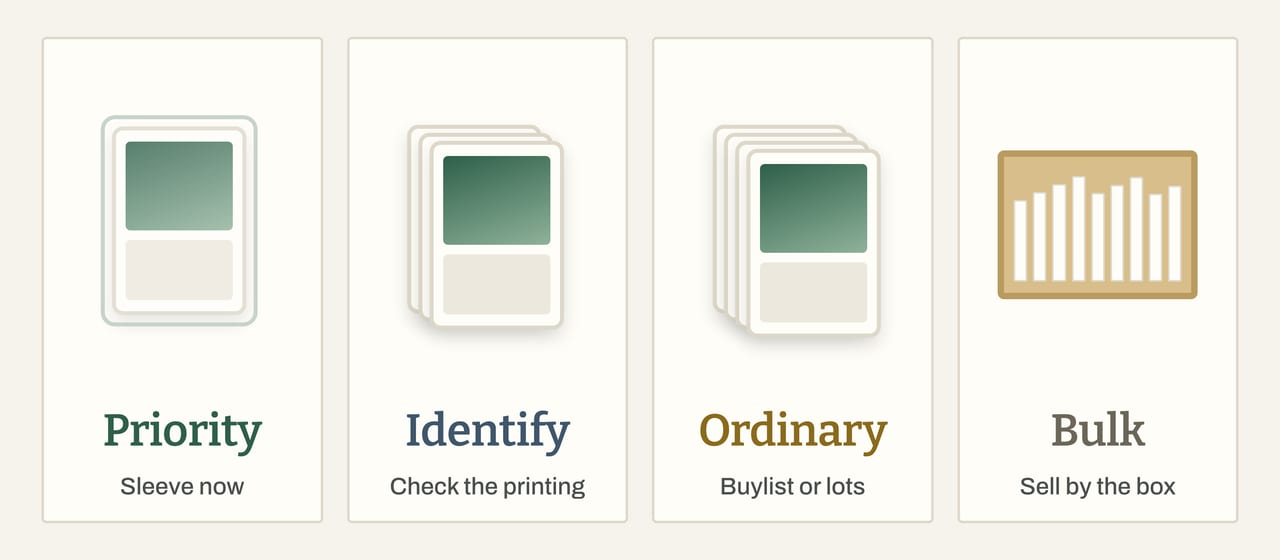
Do not begin by pricing every card. Begin by separating the cards that deserve individual attention from the cards that can move as a group. Pull binders, deck boxes, sleeved decks, hard cases, and cards that look old or unusual away from the long boxes. Give that priority pile a careful identification pass, then choose a selling path for each group.
A collection sale is a choice between control and labor. Listing singles gives you control over the description, price, and buyer, but it also creates photography, packing, messaging, and returns. A buylist turns many cards into one organized shipment and pays after inspection. A local store removes shipping. A bulk lot closes the project quickly by asking a buyer to do the sorting you chose not to do. The right answer can differ from one pile to the next.
The first pass: find the cards worth slowing down for
1. Follow the storage clues
Inspect binders, deck boxes, sleeved decks, plastic cases, and bundle boxes first. Owners tend to protect favorite cards, deck staples, and cards they already thought were worth keeping. Long boxes and plastic totes may contain useful cards too, but do not spend the first afternoon turning every common into a research project.
Make four physical piles as you work: priority singles, cards needing identification, ordinary singles, and true bulk. Keep the priority pile on a clean table and sleeve cards as soon as you decide they deserve individual handling. Do not mix an identified card back into an unsorted box where it will have to be found again.
2. Use visual signals, not an era shortcut
Old cards are easy to misclassify when you sort by date alone. Compare printings instead of memorizing a year cutoff. Revised Edition shows the old border and old-style text box, including the brown artifact frame and marble text box on Sol Ring. Wizards introduced the replacement card frame with Eighth Edition (opens in a new tab), while its 2003 release sequence places Scourge immediately before Eighth Edition (opens in a new tab). Keep an unfamiliar old-frame card in the priority or identification pile until you verify the exact printing.
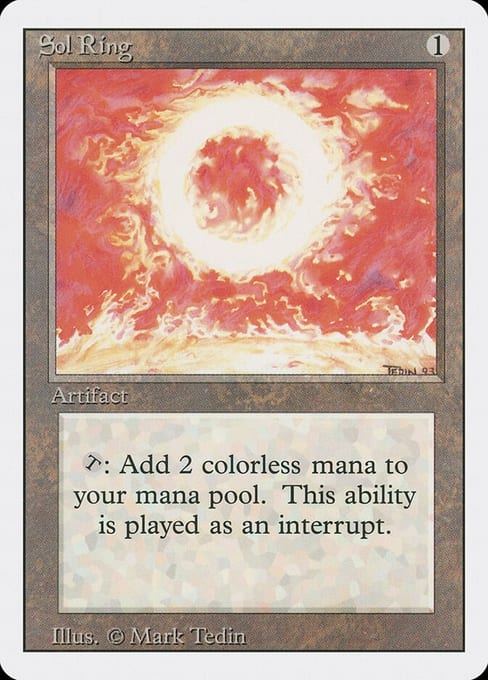
Brown artifact frame and marble text box on a Revised printing. 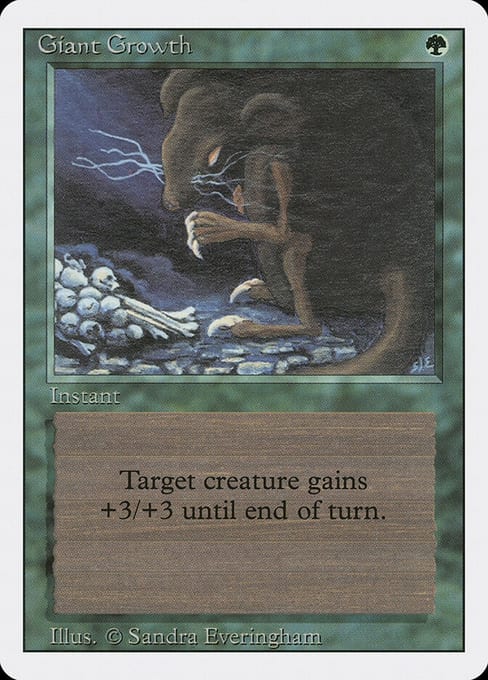
The same old-frame border on a nonartifact card. 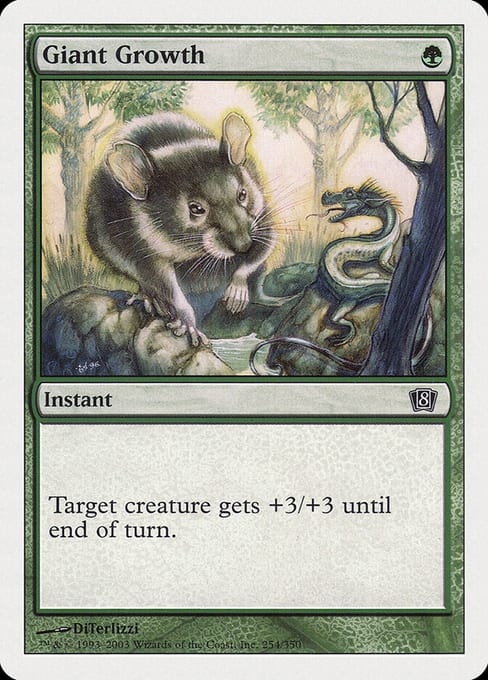
Eighth Edition's modern frame on the same card name. 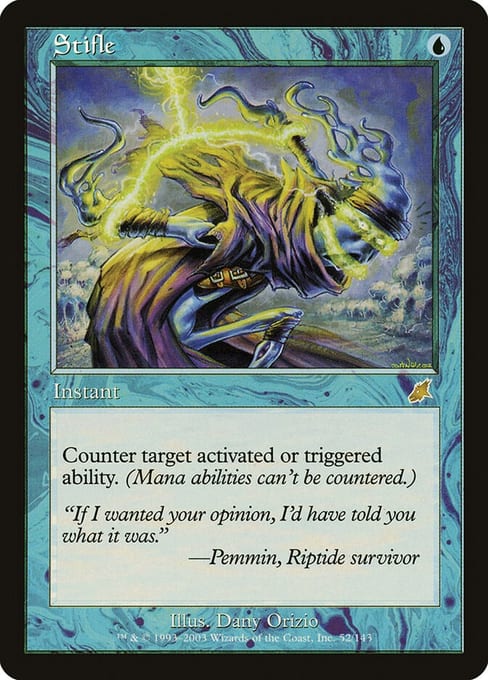
Scourge, the last old-frame set, released just before Eighth Edition.
Wizards’ history of collector and rarity markers (opens in a new tab) dates black, silver, and gold rarity symbols to Exodus in 1998 and the first Mythic Rares to Shards of Alara in 2008. The pictured orange-red symbol identifies that later rarity. Use symbol color as a sorting aid, not as a substitute for checking the card’s set and printing.
Gold expansion symbol: rare, from Exodus onward. 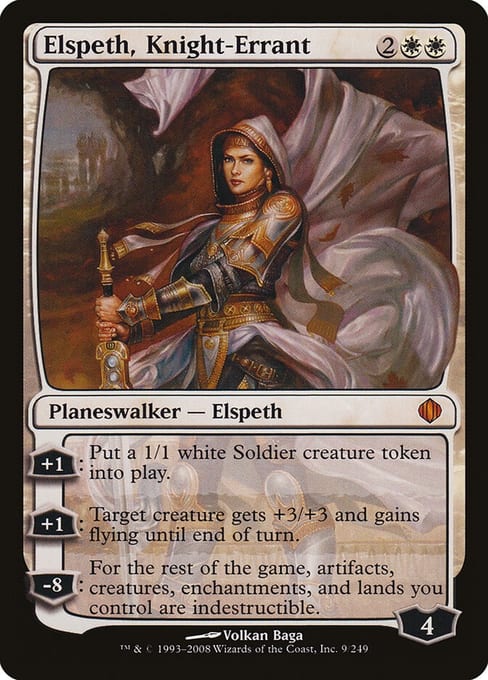
Orange-red symbol: Mythic Rare, beginning with Shards of Alara in 2008.
Also pull multicolor lands, popular removal, efficient mana artifacts, recognizable Commander staples, alternate treatments, borderless cards, showcase frames, etched foils, and serialized cards. Age or foil status alone does not settle demand. A card’s exact printing, condition, language, and current use matter more than the shine or the year on the copyright line.
3. Identify the exact printing
A card name is only a starting point. Confirm the set code and collector number when the card has them. For older cards without collector numbers, compare the set symbol, border, copyright line, artist, and wording against a reliable card database. Scryfall’s search syntax reference (opens in a new tab) lets you narrow a search with a set code and collector number, such as s:mh3 cn:249, then compare the result to the card in your hand.
Scanner apps can speed up the first pass, but they make mistakes with foreign cards, foils, alternate art, and similar-looking printings. Treat a scan as a lead. Verify the result before you assign a card to a marketplace listing or buylist invoice. Record the set, collector number, language, finish, and any special treatment in a spreadsheet or sorting note so the same card does not get re-identified at the next stage.
4. Grade without improving the card
Use a clean sleeve and handle cards by the edges. Do not wash, erase, polish, or rub a card to improve its appearance. Water, alcohol, cleaning spray, and abrasive tools can damage the surface and paper core, turn a saleable card into a damaged one, or make authenticity harder to assess.
Inspect edges, corners, surface scratches, bends, dents, creases, ink, and alterations under good light. Grade conservatively and use the destination’s own condition terms. The Magic Card Condition Guide is a useful companion when you are deciding whether a card belongs in an individual listing, a buylist submission, or an honest bulk description.
Build practical selling piles
After identification, sort by the work each group requires rather than by a single total you hope the collection will produce.
- True bulk: Basic lands, routine commons and uncommons, and cards with no obvious reason to research individually. Keep colors, sets, or themes together only if that makes the lot easier to explain.
- Low-priority singles: Playable cards and recognizable rares that may be accepted by a buylist but are not worth photographing one at a time.
- Established singles: Format staples, useful lands, and cards with clear demand that can justify either a buylist check or an individual listing.
- High-priority singles: Premium staples, sought-after foils, and unusual treatments where an accurate printing and condition description changes the sale.
- Premium collectibles: Reserved List cards, vintage staples, serialized printings, and high-end variants that deserve a separate condition review and buyer path.
Keep unsorted cards out of the priority piles. A box labeled “check later” is useful only if the label names the next action, such as “verify set symbols” or “scan foreign cards.”
Match each pile to a selling path
| Path | What you do | Where it fits | The trade-off |
|---|---|---|---|
| Buylist | Build an invoice, pack in order, and ship for inspection | Low-priority through established singles | Less customer work, but the retailer grades on arrival |
| Marketplace | Photograph, list, pack, track, and answer buyers | High-priority singles and premium cards | More control and more work, with fees and dispute handling |
| Local game store | Bring organized cards for an in-person offer | Singles you want to move without shipping | Immediate and simple, but the offer follows store demand |
| Bulk or collection lot | Describe a group and sell it to one buyer | True bulk or an uncurated collection | Fast closure, while the buyer prices in sorting labor |
| Consignment or auction | Submit premium cards to a specialist | Rare vintage, graded, or unusual collectibles | Specialist presentation, with a longer process and commission terms |
Online buylist
A buylist is a good middle path when you have many identifiable singles and do not want a separate customer transaction for each one. Search a retailer’s current catalog, add accepted cards to an invoice, arrange the cards in that exact order, and ship them. Payment follows the retailer’s receipt, inspection, and grading process.
Card Kingdom’s current How to Sell page, checked August 29, 2026 (opens in a new tab), explains its buylist grades and payout treatment. A card submitted as Near Mint can be downgraded when the received copy shows wear, so leave room for the condition call to differ from your estimate. Cards below the retailer’s accepted floor can be returned unpaid. Remove sleeves, toploaders, and binder pages from ordinary cards, but use the high-end exception the page describes: premium cards may remain protected between two sleeves.
Use a buylist for cards that are easy to identify and tedious to sell one by one. Check the current cash and store-credit choices before submitting. Do not build a buylist box from an unsorted pile, and do not assume an item is still accepted because a spreadsheet or old screenshot contains it.
Marketplace singles
Direct sales make sense when a card’s exact printing, condition, or treatment is important enough to justify the work. Take clear front, back, and corner photos for condition-sensitive cards. State the set, collector number, language, finish, and flaws. Pack and ship with the process in How to Package and Ship Magic Cards, then follow that guide’s service-specific evidence plan.
Fees and onboarding are current-policy questions. eBay’s selling-fee page with the live trading-card URL checked August 29, 2026 (opens in a new tab) and TCGplayer’s fee guidance checked August 29, 2026 (opens in a new tab) are the places to check before listing. TCGplayer has paused new seller registrations as of the New Seller FAQ checked August 29, 2026 (opens in a new tab), so use TCGplayer here only if you already have an eligible seller account. A new seller should choose a marketplace currently accepting registrations instead.
Calculate your take-home after the platform fee, supplies, postage, and any return or dispute handling. You do not need a perfect estimate before sorting, but you do need to know what work you are taking on before you move hundreds of cards into individual listings.
Local game store
An independent game store can evaluate binders or organized boxes without shipping. Call first and describe the size and type of the collection. A large appraisal may not fit into a busy tournament evening. Bring cards grouped by set, format, or your five piles so the buyer can inspect them without first doing your entire sort.
Ask whether the offer is cash, store credit, or a choice between the two. Compare it with a buylist only after considering the cost of shipping, packing, waiting for inspection, and your own time. A local store may decline a niche card or a card it already has too many copies of, even when the card is easy to identify. That is an inventory decision, not a universal verdict on the card.
Bulk and collection lots
A bulk lot is the cleanest exit when storage space and time matter more than separating every possible single. State what the lot contains: approximate box count, whether it includes basic lands, whether cards are sorted, and whether higher-priority cards have already been removed. Separate researched singles before advertising an uncurated lot; buyers discount a mixed box because they must discover what is inside.
For an in-person sale, meet in a public, well-lit place with other people nearby, such as a bank lobby, game store, or police-station exchange area. Confirm the payment before handing over cards. Do not rely on a reversible or unverified electronic transfer just because a message says it is complete.
Consignment and specialist auction
Rare vintage cards, graded slabs, and unusual premium collections can benefit from a specialist that handles authentication, photography, auction presentation, and buyer questions. Before sending anything, read the service’s current commission schedule, minimums, insurance terms, payout timing, and return policy. Confirm who is responsible if a card is lost, rejected, or sent for grading.
This path is slower than a local sale and is not a reason to consign ordinary bulk. It is a way to put a genuinely specialist item in front of buyers who understand why its exact condition and provenance matter.
Use a hybrid sale plan
Most collections fit more than one path. Pull premium collectibles aside for a second identification and condition check. Send accepted low-priority and established singles through a buylist if the invoice is worth the packing work. Take mid-tier cards to a local store when immediate closure or store credit matters. Offer the remaining true bulk as a clearly described local lot.
Worked example: three cards from one binder page
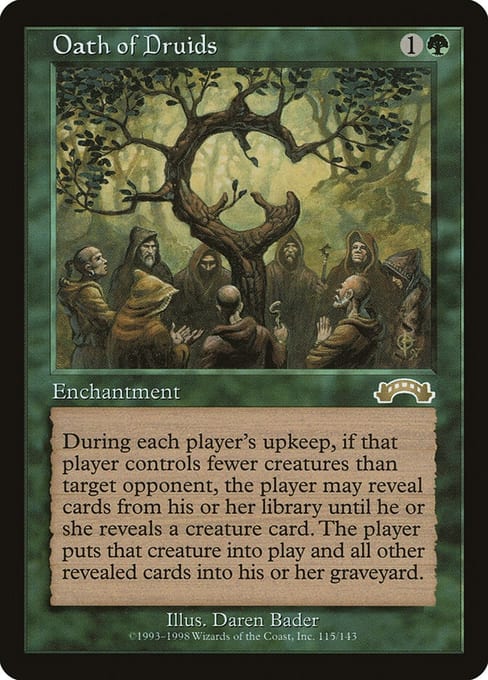
Take the three nonfoil English printings pictured above: Revised Edition Sol Ring, Exodus Oath of Druids, and Eighth Edition Giant Growth. The frame, set symbol, and collector information identify them as 3ED 274, EXO 115, and 8ED 254, so none should be priced as a different printing.
On September 3, 2026, the exact Scryfall records showed nonfoil USD prices of $33.48 for Revised Edition Sol Ring (opens in a new tab), $32.36 for Exodus Oath of Druids (opens in a new tab), and $0.09 for Eighth Edition Giant Growth (opens in a new tab). The slice therefore has a $65.93 card-price baseline before fees, supplies, postage, and any condition adjustment.
That result changes the work queue. Sol Ring and Oath of Druids form a two-card marketplace group with a $65.84 reference value, enough in this example to justify separate condition photographs and listings. Giant Growth moves to the ordinary-singles or bulk pile because a $0.09 reference does not justify its own listing. The seller finishes with two researched listings and one bulk card, not three listings created merely because all three cards came from the same binder page. A current buylist offer can still replace either listing if its simpler transaction produces the better take-home.
Work in batches. Finish identification before opening marketplace listings. Finish and photograph one listing group before starting another. When a buylist invoice is ready, print it and arrange the cards in order before boxing them. The shipping guide covers the box, envelope, and service choices once a path requires postage.
Do not let the hardest cards hold the entire collection hostage. A premium card can wait in a protected, labeled pile while the ordinary cards move through a simple channel. The goal is a completed sale with accurate descriptions, not an endless promise to research everything someday.
Sale-preparation checklists
Triage
- Pull binders, deck boxes, sleeved decks, hard cases, and unusual-looking cards first.
- Separate priority singles, identification work, ordinary singles, and true bulk.
- Compare the pictured Revised Edition and Scourge old frames with Eighth Edition’s replacement frame instead of relying on a year cutoff.
- Treat Mythic Rare as a post-2008 sorting category beginning with Shards of Alara, not an Exodus-era rarity.
- Verify set, collector number, language, finish, and treatment before assigning a path.
- Sleeve cards that need individual handling and label any “check later” box with a specific next action.
Channel choice
- Choose a buylist for accepted, identifiable singles that are not worth managing individually.
- Choose a marketplace for high-priority cards when photos, description, packing, fees, and customer service fit your available time.
- Call a local store before bringing a large collection and ask about cash, credit, and current buying categories.
- Describe true bulk or an uncurated collection honestly and meet buyers in a secure public place.
- Read current consignment terms before mailing premium cards to a specialist.
- If listing on TCGplayer, confirm that you already have an eligible seller account because new registrations are paused as of August 29, 2026.
Final preparation
- For a buylist, use the printed invoice order and remove ordinary cards from sleeves; keep permitted two-sleeve protection on high-end cards.
- For marketplace listings, photograph front, back, corners, and any flaw that changes the condition description.
- For a local sale, agree on the payment method and meeting place before carrying the collection out.
- For shipped orders, match the packing method and service to the order. Follow the shipping guide’s service-specific evidence plan until the applicable case windows close.
For the next step after sorting, read How to Read an MTG Marketplace Listing before you publish a single card.